 From Match to Date
How Often Should You Date When You Start Seeing Someone?
A practical guide to how often you should date at the start, why one or two dates a week often works, and when to adjust the pace.
In this article9 sections
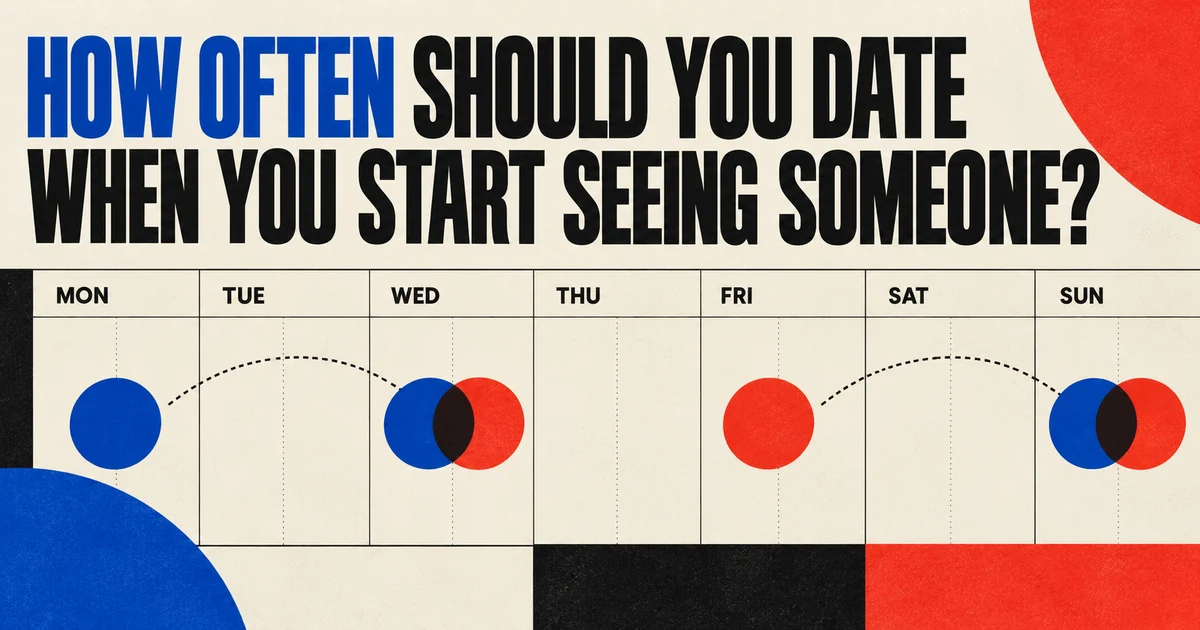
For many people, one or two dates a week is a useful starting range when a connection is new. It creates momentum without asking two near-strangers to reorganize their lives immediately.
That is a practical starting point, not a universal rule. The right frequency is the pace that lets interest grow while both people still sleep, work, see friends, and make decisions from clarity rather than anxiety.
Why One or Two Dates a Week Often Works
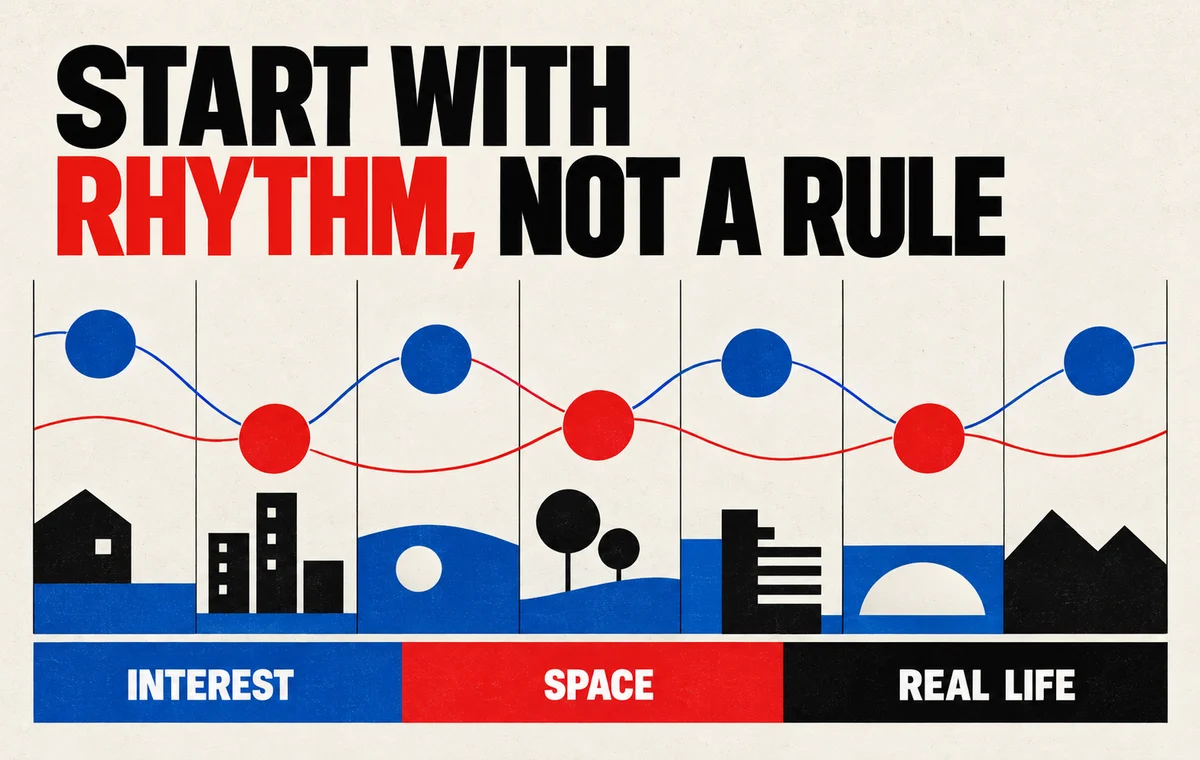
At the beginning, you need enough contact to learn whether attraction survives outside the first-date setting. But you also need time between meetings to notice how you actually feel.
One or two weekly dates usually leaves room for:
- anticipation instead of constant availability;
- reflection instead of being swept into instant intensity;
- normal routines and existing relationships;
- both people to initiate and contribute;
- a missed evening without the connection collapsing.
If schedules are tight, one strong date can be better than three distracted ones. If you live close, have flexible lives, and both want more time, three meetings may feel completely natural.
Do Not Use Frequency as a Test of Interest
“If they liked me, they would see me four times this week” sounds logical but ignores work, parenting, health, travel, and different social batteries. Interest is better measured through consistency: do they follow through, suggest a next plan, communicate changes, and make room over time?
The reverse test also fails. Playing hard to get by artificially limiting dates can create confusion where there was mutual enthusiasm.
Find the Next Message Without Playing Games
You do not need a timing trick to show interest. A clear message and a specific plan are usually more attractive than strategic silence.
Wingman helps you shape natural follow-ups that fit the connection and still sound like you.
A Healthy Pace Leaves Room
A promising connection should add energy more often than it removes it. After a date, ask:
- Am I curious about this person, or simply relieved they like me?
- Do I still have space for my own routines?
- Are we learning new things or repeating chemistry in different locations?
- Does the pace feel chosen by both of us?
- Can either person ask for a quieter week without punishment?

Signs You May Be Dating Too Often
The pace may be too fast if you cancel important commitments, lose sleep, neglect friendships, or feel unusually anxious on nights apart. Another sign is premature certainty: you begin planning a shared future before learning how the person handles conflict, disappointment, boundaries, or ordinary life.
Intensity is not the same as intimacy. Intimacy requires repeated evidence.
If this happens, do not disappear. Say: “I really like seeing you. I also want to keep a pace that lets this develop well. Can we plan for Friday and keep the rest of the week flexible?”
Signs You May Not Be Dating Often Enough
The pace may be too slow if every meeting feels like starting over, plans remain vague for weeks, or one person does all the initiating. A date every two or three weeks can work during a temporary busy period, but it makes momentum harder unless communication and future plans are clear.
Try a concrete request: “I’m enjoying this and would like to see you a little more regularly. Would once during the week and once on the weekend work for you?”
Their answer tells you more than guessing does.
How the Pace Usually Changes
There is no required progression, but a healthy pattern may look like this:
- First few dates: one or two meetings a week, each with a clear plan.
- Growing interest: longer dates, occasional spontaneous time, and more integration into normal routines.
- Relationship conversation: discuss exclusivity, expectations, and how often each person genuinely wants to connect.
Do not increase frequency merely to prevent someone from dating others. If exclusivity matters, ask directly. More hours together cannot substitute for an agreement.
Texting Between Dates
Texting can maintain warmth, but it should not create an imaginary relationship that the in-person connection has not earned. Use messages to share something real, continue a conversation, and make plans. You do not need all-day contact to prove interest.
After a good first date, a simple message that night or the next day is usually clearer than waiting for an arbitrary rule. This guide explains what to text after a first date.
Make Each Date Count Before Adding More
More dates cannot solve a profile-to-match problem or a connection built on the wrong first impression.
ProfileSharp shows which photos make you look trustworthy, attractive, and recognizably yourself before you meet.
Frequently Asked Questions
Is three dates a week too much at the beginning?
Not automatically. It is too much if it creates pressure, displaces the rest of your life, or prevents reflection. If both people feel grounded and freely choose it, three can work.
Is once a week enough to build a relationship?
Yes, especially early on. Consistency and intention matter more than hitting a quota. If the connection grows, you can increase time naturally.
Should we text every day between dates?
Only if both people enjoy it. Daily texting is not proof of seriousness, and quieter communication is not automatically disinterest. Agree on a rhythm through behavior and conversation.
What if we want different amounts of time together?
Discuss the practical need without judging either preference. Small differences can be negotiated; a persistent gap may reveal a compatibility issue.
Final Takeaway
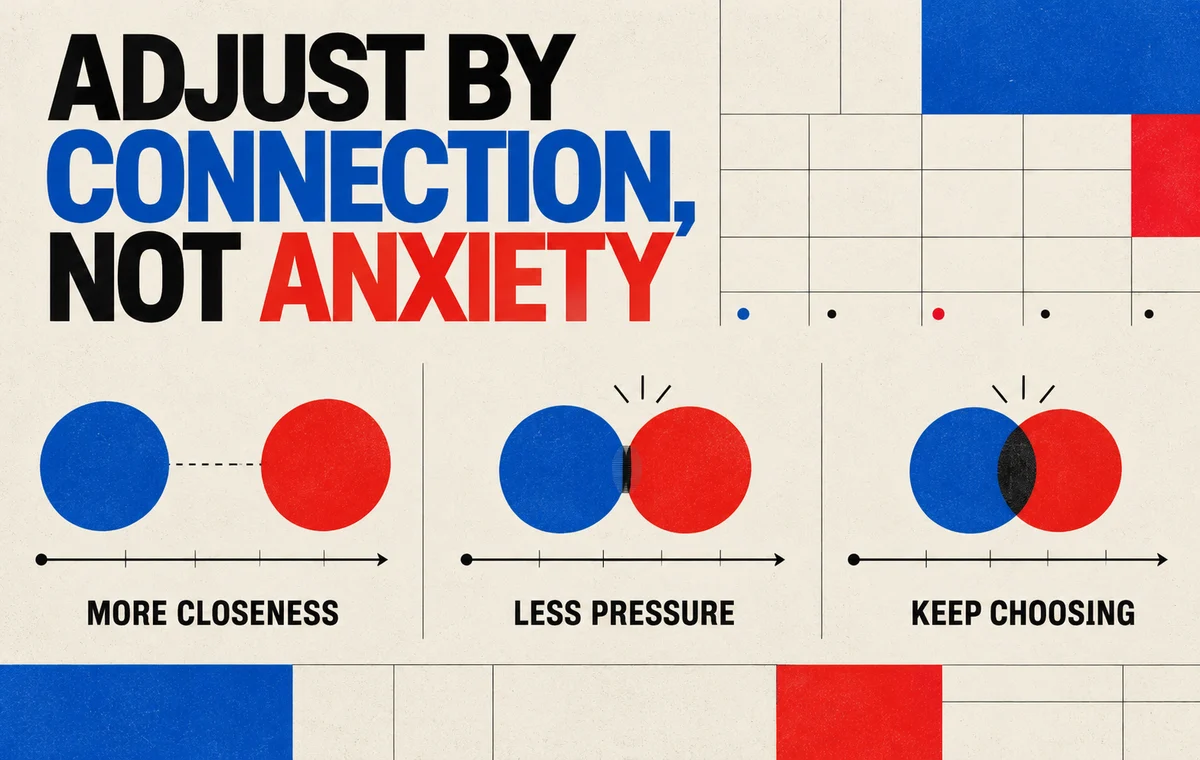
Start with one or two dates a week if you need a number, then adjust from evidence. A good pace produces closeness without panic, consistency without control, and enough space to keep choosing each other deliberately.