 App Guides & Trends
Tinder Algorithm 2026: Why You're Not Getting Matches
How does Tinder decide who sees you? Learn what actually affects your visibility, why Elo is dead, and how to optimize your profile for more matches.
In this article9 sections
- The #1 Factor in Tinder's Algorithm: Activity
- The Basic Matching Factors: Location, Age, and Gender
- Advanced Algorithm Factors: What Else Tinder Considers
- What Tinder's Algorithm DOESN'T Consider (This Might Surprise You)
- The Death of the Elo Score: What Changed
- How to Optimize Your Profile for Tinder's Algorithm
- The Bottom Line: Tinder's Algorithm Rewards Engagement
- Frequently Asked Questions
- References
You open Tinder, swipe for ten minutes, and the queue feels recycled. Or worse — it feels rigged. Are you shadowbanned? Did your "Elo score" tank? Is the algorithm punishing you for going inactive last month?
The short answer: probably not. Tinder finally documented how matching works in 2026, and the system is less mysterious than the Reddit threads make it sound. There's no hidden desirability rank to game. There are a few clear levers that decide who sees you — and most are completely in your control.
Here's the breakdown, what actually moves the needle, and the optimization steps that follow from it.
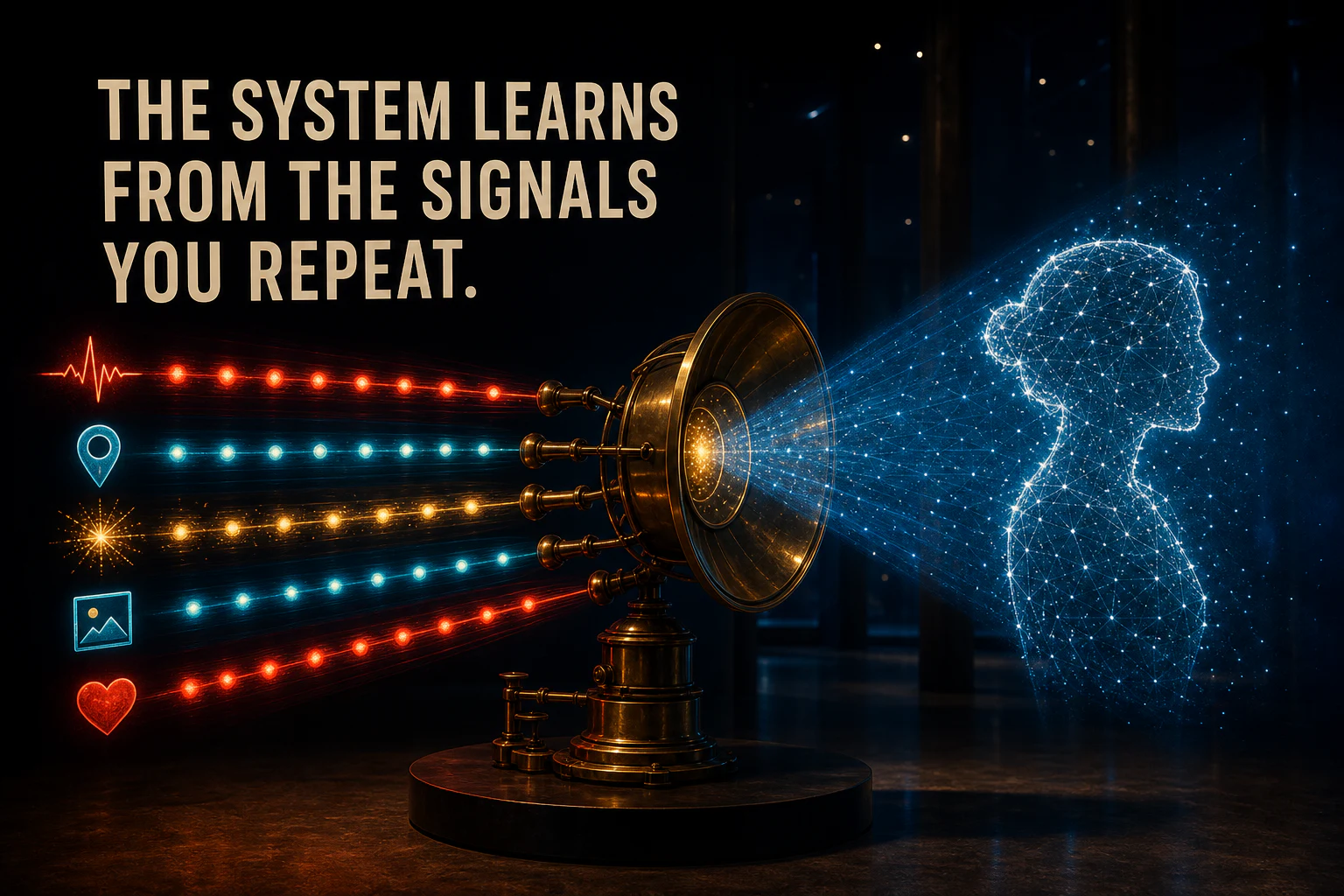
The #1 Factor in Tinder's Algorithm: Activity
According to Tinder, there's one factor that matters more than anything else in their algorithm:
Using the app.
Tinder explicitly states: "The most important factor that can help our users improve their match potential on Tinder is… using the app."
Here's why this matters so much: Tinder prioritizes showing your profile to other active users, and showing you profiles of people who are currently online. The company explains that they "don't want to waste people's time showing profiles of inactive users."
This makes perfect sense from a business perspective. Tinder wants users to have "meaningful connections, conversations and ultimately meet IRL." Matching with someone who opens the app once a week creates a terrible user experience.
🎯 Algorithm Insight: Activity Signals
The more you use Tinder, the more the algorithm shows your profile to others.
Being active helps you "be more front and center, see more profiles and make more matches." Tinder calls this "Algorithm 101" - and it's completely in your control.
What this means for you:
- Open Tinder regularly, even if just for a few minutes
- Swipe consistently to signal you're an active user
- Respond to matches quickly when they happen
- Use the app during peak hours when others are most active
The algorithm rewards engagement with visibility. It's that simple.
💡 Activity Gets You Seen — But Your Photos Decide What Happens Next
More visibility only matters if your profile converts viewers into right-swipes.
ProfileSharp's AI analyzes your photos to show you which ones will actually perform — get your personalized breakdown in under 60 seconds.
The Basic Matching Factors: Location, Age, and Gender
Before diving into the sophisticated parts of the algorithm, let's cover the basics. According to Tinder, the app doesn't ask for much from users to start:
- Current location - Where you are right now
- Gender - Your gender identity
- Age - Your age
- Distance preferences - How far away you're willing to match
- Gender preferences - Who you want to see
Tinder emphasizes that proximity is a key factor. The company notes: "It's always fun meeting someone in the same neighborhood and that's why we consider a potential match's distance from a user's current location."
This explains why you see certain profiles more often when you're in specific locations, and why traveling can completely change your match queue.
| Basic Factor | What It Does |
|---|---|
| 📍 Location | Shows you people nearby first — no commute required |
| ⚧ Gender | Filters to your stated preferences |
| 🎂 Age | Keeps matches within your preferred age range |
| 📏 Distance | Controls your match radius |
| ❤️ Gender Preferences | Who you want to see in your feed |
Advanced Algorithm Factors: What Else Tinder Considers
Beyond the basics, Tinder's algorithm uses three additional factors to refine your recommendations:
| Advanced Factor | How It Works | Impact Level |
|---|---|---|
| 🏔️ Shared Interests | Matches people with similar lifestyle tags and hobbies | Medium |
| 📸 Photo Similarity | Analyzes visual patterns of photos you've liked | High |
| 👍 Like/Nope Patterns | Tracks your swipe behavior and reciprocal interest | High |
1. Profile Information and Shared Interests
Tinder looks at the interests and lifestyle descriptions you add to your profile. The company states they want to "make sure users see people they'll vibe with."
If you indicate you love hiking, the algorithm will show you more profiles of people who also enjoy outdoor activities. Dog lover? Tinder will prioritize showing you other dog enthusiasts.
Tinder's exact words: "Love hiking? Prefer someone who loves dogs? Users can focus on people with interests in common."
This is why filling out your profile completely matters. The more information you provide, the better the algorithm can match you with compatible people.
2. Photo Similarity Matching
This is where it gets interesting. Tinder revealed they use "anonymized cues from photos" to tailor recommendations.
The algorithm analyzes the visual characteristics of photos you've liked before, then shows you more profiles with similar photos. It also shows your profile to people who have historically liked profiles with photos similar to yours.
According to Tinder: "We'll suggest profiles with similar photos to ones members have Liked before, and show their profiles to more people who have Liked members with photos similar to their own."
Example: If you consistently like profiles showing people at music festivals, Tinder takes the hint and shows you more festival-goers. If you like outdoor adventure photos, you'll see more hikers and beach enthusiasts.
This explains why your photo choices are so critical to your Tinder success — and why choosing the right first photo can make or break your entire profile. The algorithm isn't just showing your photos to users - it's analyzing the visual content to predict compatibility and determine who sees your profile.
📸 Photo Algorithm Insight
Your photos do more than display how you look - they train the algorithm.
The visual characteristics of your photos influence who sees your profile and who the algorithm shows you. Choose photos that authentically represent your lifestyle and interests.
3. Like and Nope Patterns
This one should be obvious, but it's worth stating explicitly: Tinder tracks your swipe behavior.
The algorithm is "constantly honing the potential matches users see based on how often their profile - and all profiles in their area - are Liked or Noped."
What this means:
- If your profile gets a lot of right swipes, the algorithm boosts your visibility
- If you're getting mostly left swipes, your profile gets shown less often
- The algorithm also learns your preferences based on who you swipe right on
This creates a feedback loop: profiles with high-quality photos that generate engagement get shown more often, which generates even more engagement. Poor profiles get buried.
Understanding this dynamic is crucial. The algorithm isn't random - it's responsive to user behavior. If your profile isn't generating likes, you need to optimize it.
⚡️ Beat the Algorithm with Optimized Photos
Want to know which of your photos will perform best?
ProfileSharp's AI analyzes your photos against the engagement factors that influence algorithmic visibility. Our tool shows you exactly which photos to use, in which order, to maximize your match potential.

What Tinder's Algorithm DOESN'T Consider (This Might Surprise You)
Just as important as what the algorithm considers is what it explicitly ignores. According to Tinder:
"Our algorithm doesn't track social status, religion or ethnicity. We don't believe in stereotypes."
The company emphasizes that their algorithm is "designed to be open" and cites the increase in interracial marriages since Tinder's launch as evidence of this approach.
| ✅ Tinder DOES Consider | ❌ Tinder DOESN'T Consider |
|---|---|
| App activity frequency | Race or ethnicity |
| Swipe right/left ratios | Religion |
| Location and distance | Socioeconomic status |
| Photo visual content | Number of social media followers |
| Profile completeness | Education tier |
| Post-match engagement | Conventional attractiveness rank |
This is good news: The algorithm isn't creating filter bubbles based on demographic factors. Your race, religion, socioeconomic status, or cultural background don't limit who sees your profile or who you're shown.
The playing field is more level than many people assume.
The Death of the Elo Score: What Changed
If you've spent any time reading about Tinder's algorithm, you've probably heard about the infamous "Elo score" - a rating system supposedly borrowed from chess that ranked users by desirability.
Tinder addressed this directly:
"Elo is old news at Tinder. It's an outdated measure and our cutting-edge technology no longer relies on it."
The company clarifies: "Today, we don't rely on Elo - we have a dynamic system that continuously factors in how you're engaging with others on Tinder through Likes, Nopes, and what's on users' profiles."
What this means: There's no hidden desirability score ranking you against other users. The algorithm is responsive and dynamic, adjusting based on real-time engagement rather than a fixed rating.
Stop worrying about your "Elo score." It doesn't exist anymore. For a deeper look at how Tinder actually ranks profiles today, see our full guide on Tinder's desirability system explained.
How to Optimize Your Profile for Tinder's Algorithm
Now that we understand how the algorithm works, here are the concrete steps you can take to improve your visibility and match rate:
1. Be Active and Consistent
Use Tinder regularly. Even 5-10 minutes daily is better than binge-swiping once a week. The algorithm rewards consistent activity with increased visibility.
Actionable tips:
- Open the app at least once daily
- Swipe during peak hours (evenings and weekends)
- Respond to matches within 24 hours
- Send messages that start conversations
2. Complete Your Profile Thoroughly
Add interests, lifestyle preferences, and personality descriptors. The more information you provide, the better the algorithm can match you with compatible people.
What to include:
- Hobbies and interests
- Lifestyle preferences (active, homebody, etc.)
- Values and personality traits
- What you're looking for
3. Optimize Your Photos Strategically
Your photos are doing double duty: showing how you look AND training the algorithm about your lifestyle and preferences.
Photo strategy:
- Choose photos that accurately represent your interests
- Show variety (outdoor shots, social situations, hobbies)
- Make sure your first photo is your strongest — it decides whether anyone even sees the rest
- Use recent, high-quality images
- Include photos that show your personality
- Unsure how many photos on Tinder to use? We break it down.
Remember: The algorithm analyzes photo similarity to predict compatibility. Your visual choices matter beyond just looking attractive.
🔍 Is Your First Photo Costing You Matches?
Most people don't realize their weakest photo is hiding in plain sight.
ProfileSharp shows you exactly how your photos stack up — what's working, what's not, and which should go first. Takes less than a minute.
4. Be Thoughtful With Your Swipes
The algorithm learns from your swipe patterns. If you swipe right on everyone, you're not teaching it anything useful about your preferences.
Swipe smarter:
- Actually look at profiles before swiping
- Be selective about who you like
- Don't waste swipes on profiles you're not interested in
- Let the algorithm learn your genuine preferences
5. Generate Positive Engagement
The algorithm boosts profiles that get right swipes and hides profiles that get consistently left-swiped. Your goal is to create a profile that generates positive engagement.
How to improve engagement:
- Use photos that are clear, well-lit, and flattering
- Show genuine smiles (research shows they increase attraction)
- Avoid group photos as your first image
- Write a bio that's interesting and conversation-starting
- Update your photos every few months to stay fresh
The Bottom Line: Tinder's Algorithm Rewards Engagement
After analyzing Tinder's algorithm breakdown, one theme becomes crystal clear: The algorithm is designed to create meaningful connections, and it rewards behaviors that lead to conversations and meetings.
If you remember nothing else, remember this:
| ✅ Do this | ❌ Skip this |
|---|---|
| Open the app daily, even briefly | Binge-swipe for an hour, then disappear for two weeks |
| Swipe selectively — actually read profiles | Right-swipe everyone hoping the algorithm sorts it out |
| Refresh your photos every 2–3 months | Let the same group photo from 2022 sit at slot #1 |
| Reply to matches within 24 hours | Let new matches sit unread for a week |
| Fill out interests + prompts honestly | Leave the bio blank and 4 photos empty |
You don't need to "hack" the system or game hidden metrics. Use the app consistently, build an honest profile with strong photos, swipe thoughtfully, and respond.
The algorithm isn't your enemy - it's trying to help you find compatible matches. Work with it, not against it.
Still deciding if Tinder is even the right app for you? Check out our head-to-head breakdown: Tinder vs Hinge vs Bumble in 2026.
🚀 Get Your Profile Algorithm-Ready
Ready to optimize your Tinder profile for maximum visibility?
ProfileSharp analyzes your photos using AI to show you exactly which images will perform best. Get specific recommendations on photo order, composition, and optimization in under 60 seconds.
Frequently Asked Questions
Does Tinder still use Elo scores?
No. Tinder states that Elo is outdated and no longer used. The modern system is dynamic and continuously factors in real-time engagement signals based on Likes, Nopes, and profile content.
What's the most important factor in Tinder's algorithm?
Activity. Using the app regularly is the most important factor. The algorithm prioritizes showing active users to other active users to facilitate meaningful connections and conversations.
Does Tinder's algorithm consider race or ethnicity?
No. Tinder's algorithm doesn't track social status, religion, or ethnicity. The algorithm is designed to be open and doesn't create demographic filter bubbles.
How does Tinder use my photos in the algorithm?
Tinder uses anonymized visual cues from photos to predict compatibility. The algorithm analyzes photo characteristics and shows your profile to users who have liked similar photos in the past.
Can I reset my Tinder algorithm?
No, Tinder doesn't offer a reset feature. However, you can improve algorithmic visibility by increasing activity, optimizing photos, and generating more positive engagement through right swipes and matches.
Does swiping right on everyone hurt my algorithm?
Potentially, yes. The algorithm learns from your swipe patterns to predict compatibility. Indiscriminately swiping right teaches the algorithm nothing useful about your preferences and may result in lower-quality matches.
How often should I update my Tinder photos?
Every 2-3 months is recommended. Refreshing your photos keeps your profile feeling current and may improve engagement rates, as the algorithm responds to how users engage with your profile.
Does location really matter for Tinder's algorithm?
Yes. Proximity is a key factor in Tinder's algorithm. Your current location significantly influences who sees your profile, as people prefer meeting others in the same neighborhood.
References
This analysis is based on Tinder's official article: "Powering Tinder - The Method Behind Our Matching" published in their Help Center.
Disclaimer: This article is an independent analysis based on publicly available information. ProfileSharp is not affiliated with or endorsed by Tinder.
Last updated: January 15, 2026