 Messaging & Conversations
Dating Texting Tone: Flirty, Funny, Confident, Chill
Choose a texting tone that fits the moment. Compare flirty, funny, confident, and chill replies without forcing a personality that is not yours.
In this article9 sections
- Match Tone to Warmth, Energy, and Risk
- Flirty: Add Tension Without Making It Heavy
- Funny: Create Play, Not a Performance
- Confident: Make the Intention Easy to Understand
- Chill: Lower the Pressure Without Acting Indifferent
- Four Directions for the Same Message
- Keep Your Voice Across Every Tone
- When the Wrong Tone Is a Symptom
- Frequently Asked Questions
The same dating app message can support several good replies. One can be flirty, another funny, another confident, and another calm. The question is not which style wins in general. It is which one fits this moment and still sounds like you.
Tone goes wrong when people choose the effect they want instead of reading the conversation they have. They try to sound bold when the exchange needs warmth, funny when the other person is being sincere, or detached because they are afraid to show interest.
A useful texting style makes your intention clearer. It should not hide it behind a performance.
Match Tone to Warmth, Energy, and Risk
Before choosing words, rate the moment on three dimensions.
Warmth
Is the other person sharing, teasing, asking questions, or confirming a plan? Warmth tells you how much connection is already present.
Energy
Are the messages fast and animated or brief and practical? Matching energy does not mean copying every punctuation mark. It means avoiding a reply that feels dramatically louder or colder than the exchange.
Risk
How personal or forward is the next move? A compliment, inside joke, date invitation, and logistical confirmation carry different levels of risk. Higher-risk messages need clearer evidence that the conversation can hold them.
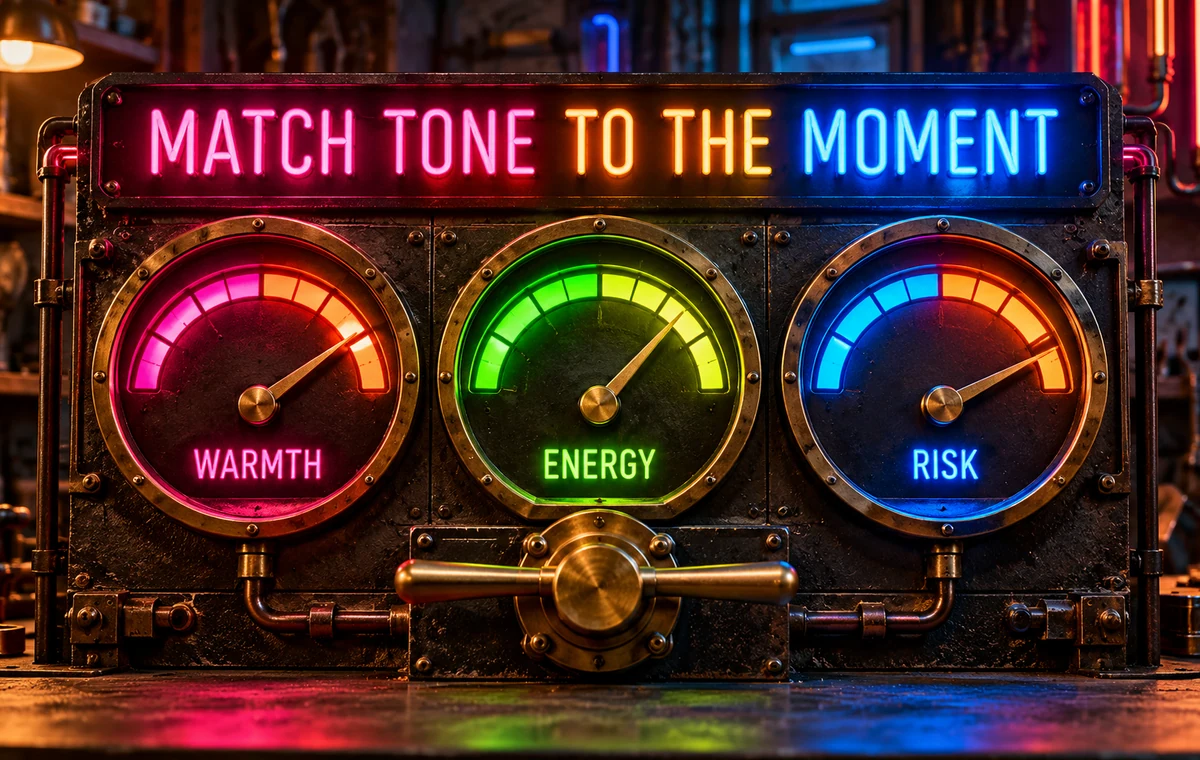
If warmth and energy are high, a playful or flirty reply may fit. If the conversation is new or the message is practical, confident or chill often creates less friction.
Flirty: Add Tension Without Making It Heavy
Flirty replies signal that this is not just a friendly interview. The best ones build on mutual energy rather than jumping straight to sexual language or oversized compliments.
Use a flirty direction when:
- The other person is already teasing or complimenting you.
- There is a shared joke you can lightly escalate.
- A date or clear romantic interest is already on the table.
Keep it specific and easy to answer. “That answer is dangerously convincing” is lighter than a declaration about chemistry you have not established.
For a deeper boundary check, read how to flirt over text without sounding creepy.
Funny: Create Play, Not a Performance
Funny replies work when they turn a shared detail into a small game. They fail when the joke needs a long setup, makes the other person the target, or avoids answering a sincere question.
Use humor to add movement:
She: My hidden talent is finding the best dessert on any menu.
You: Strong claim. I am going to need a practical demonstration and at least two finalists.
The reply accepts her premise, adds a playful challenge, and leaves room for a response. It does not try to deliver a stand-up routine.
Confident: Make the Intention Easy to Understand
Confident texting is not dominance, pressure, or pretending not to care. It is clear language without excessive disclaimers.
Use a confident direction when a decision would help:
- Suggesting a time and place after mutual interest.
- Clarifying what you meant after a misunderstanding.
- Saying what you want without demanding agreement.
“I am free Thursday after seven. Want to try that new wine bar?” is confident because it is specific and easy to accept, adjust, or decline.
Compare Four Directions Before You Send
Wingman 2.0 can turn the same conversation context into flirty, funny, confident, and chill reply options, so you can choose a direction instead of forcing one tone.
Chill: Lower the Pressure Without Acting Indifferent
Chill replies keep the exchange easy. They are useful for early conversations, simple logistics, or moments when the other person has less energy.
Chill does not mean vague. “No worries, Thursday works too” is relaxed and clear. “Whatever” is detached and leaves the other person to do the work.
Use a chill direction when:
- The message only needs a straightforward answer.
- A plan changed for a normal reason.
- The conversation needs breathing room, not another push.
- You want to show interest without escalating yet.
Four Directions for the Same Message
Suppose your match writes: “I finally tried that coffee place you mentioned.”
| Tone | Possible reply | What it signals |
|---|---|---|
| Flirty | “Taking my recommendations already? I like this direction.” | Light romantic tension |
| Funny | “Good. My unpaid coffee consultancy remains undefeated.” | Shared play |
| Confident | “Then we should compare notes there next week.” | Clear movement |
| Chill | “Nice. What did you order?” | Easy curiosity |
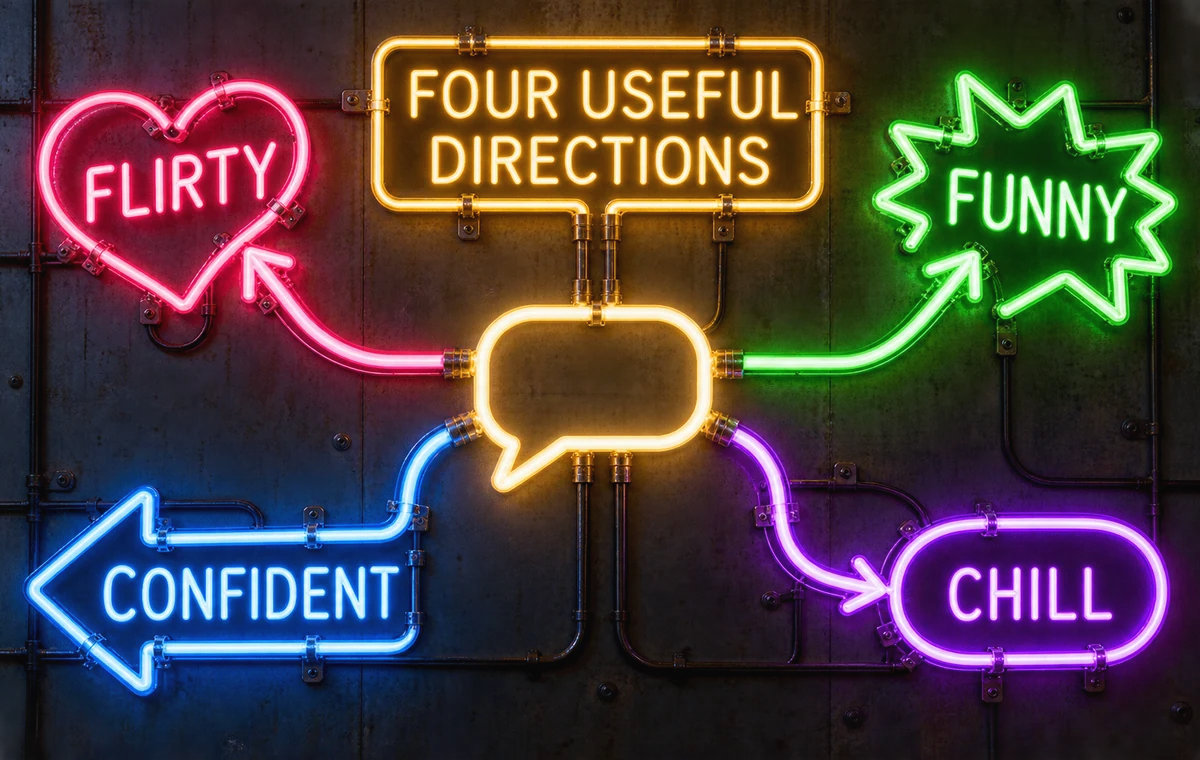
None is automatically best. The correct choice depends on the earlier chat, your actual intention, and which sentence you can say naturally.
Wingman 2.0 presents these four directions after reading the context you share. You can copy an option, but the better habit is to compare them, identify the useful move, and edit the final wording.
Keep Your Voice Across Every Tone
Your tone can change without your personality changing. A confident message can still use your normal vocabulary. A flirty reply can still respect your boundaries. A funny line can still be kind.
Use this voice check before sending:
- Vocabulary: Would I use these words in person?
- Length: Does this resemble the way I have been texting?
- Intent: Is the message honest about what I want?
- Boundary: Am I asking, or am I creating pressure?
- Continuity: Does the reply belong to the conversation above it?
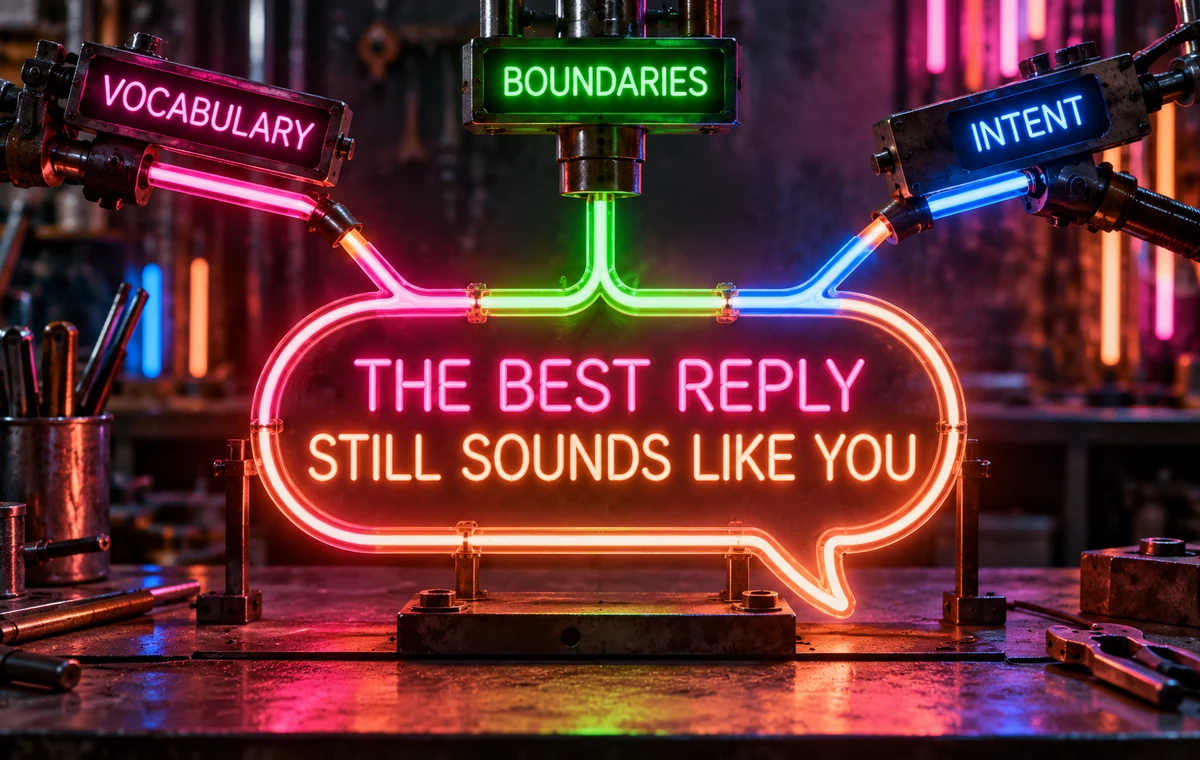
The goal is range, not inconsistency. You can be playful in one moment and direct in the next because both are genuine parts of how people communicate.
When the Wrong Tone Is a Symptom
If every message feels impossible to calibrate, the problem may not be wording. You may be carrying the entire conversation, trying to recover unclear interest, or avoiding a direct question.
Look at the pattern. The Bumble conversation guide shows how replies fit into a larger exchange, while why dating app conversations die helps diagnose structural problems that no single clever text can fix.
Sometimes the best next move is a clear invitation. Sometimes it is a normal answer. Sometimes it is to stop investing in a thread that gives you nothing back.
Find the Tone That Fits This Chat
Give Wingman 2.0 the relevant messages and your goal, compare four reply styles, and choose the one that feels honest for this exact moment.
Frequently Asked Questions
Which texting tone gets the most replies?
There is no universal winner. A tone works when it fits the conversation, makes your intention understandable, and gives the other person a comfortable way to respond.
Is matching their texting style a good idea?
Match the general level of energy and formality, not every delay, emoji, or punctuation habit. Exact mirroring feels strategic; reasonable alignment feels attentive.
How do I sound confident without being pushy?
Be specific about what you want and leave room for a real answer. Suggest a plan instead of issuing a demand, and accept adjustments or a no without argument.
When should I use a flirty reply?
Use it when the exchange already has warmth, teasing, or clear romantic interest. Start lighter than you think and see whether the other person reciprocates.
What does Wingman 2.0 do with texting tone?
For conversation help, Wingman 2.0 can suggest flirty, funny, confident, and chill reply options based on the context you provide. You choose and edit the final message.